








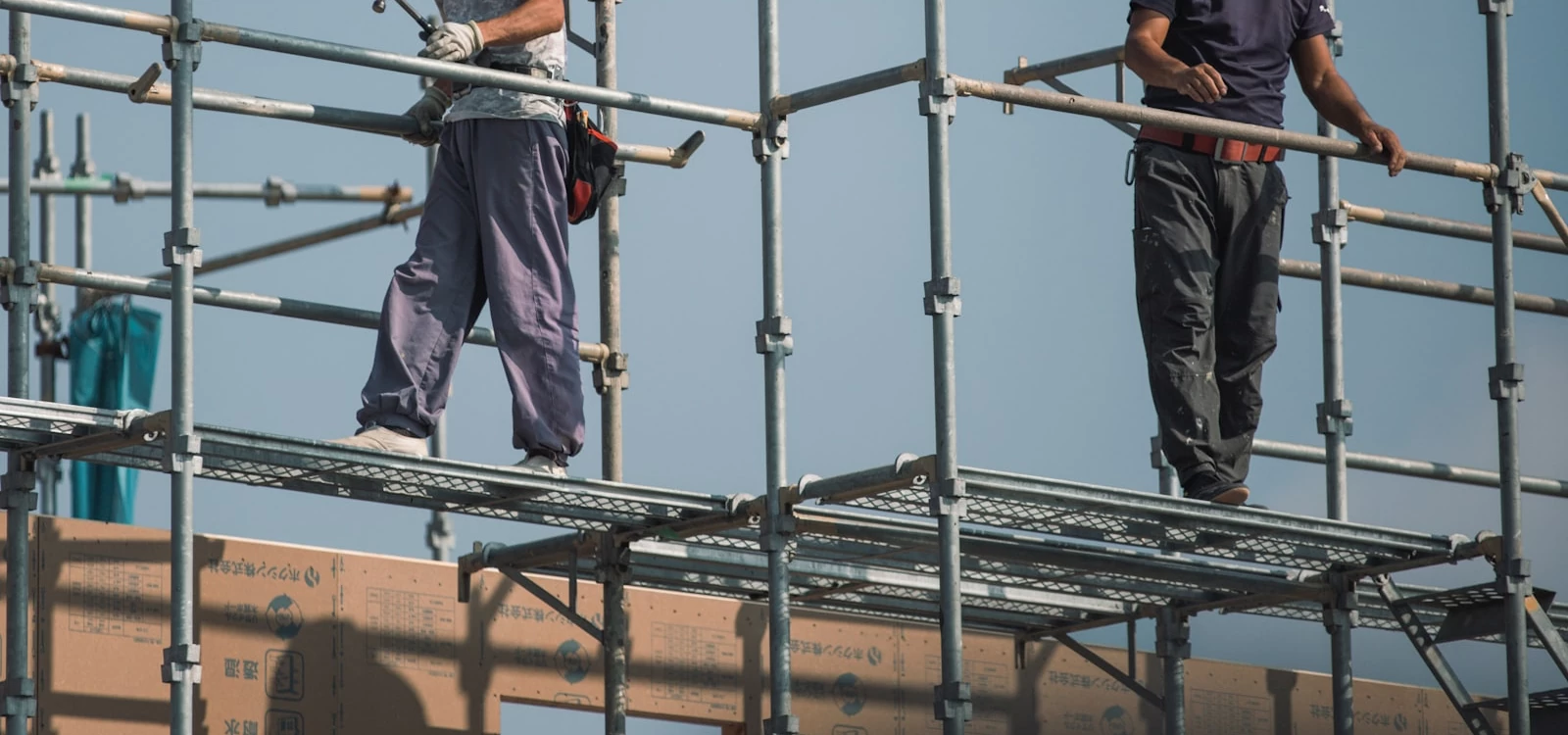
If you run hiring or safety for a construction company, you already carry the weight of every person who clocks in on your site. One impaired worker on scaffolding, one unqualified operator on heavy machinery, and a routine day can turn into a tragedy.
Here is the encouraging part, and it rarely makes the headlines. Construction is getting safer. In 2024 the industry recorded 1,034 fatal work injuries, down from 1,075 the year before, and the fatality rate fell to 9.2 per 100,000 full-time equivalent workers, the lowest since 2011. The Bureau of Labor Statistics released those figures in February 2026.
Here is the part that keeps safety managers awake. Construction still accounts for about one in five of all workplace deaths in the United States, and 389 of those 2024 deaths came from falls, slips and trips, roughly 38% of the industry total. Progress is real, and the risk is still concentrated in your industry.
“We see the same patterns over and over,” says Constance Brackett, Chief of Staff at KRESS Employment Screening. “Companies that skip thorough background checks and drug testing tend to end up with the same preventable accidents, and it’s heartbreaking because so many of these tragedies could be avoided.”
This isn’t about paperwork or compliance. It’s about your people going home safe.
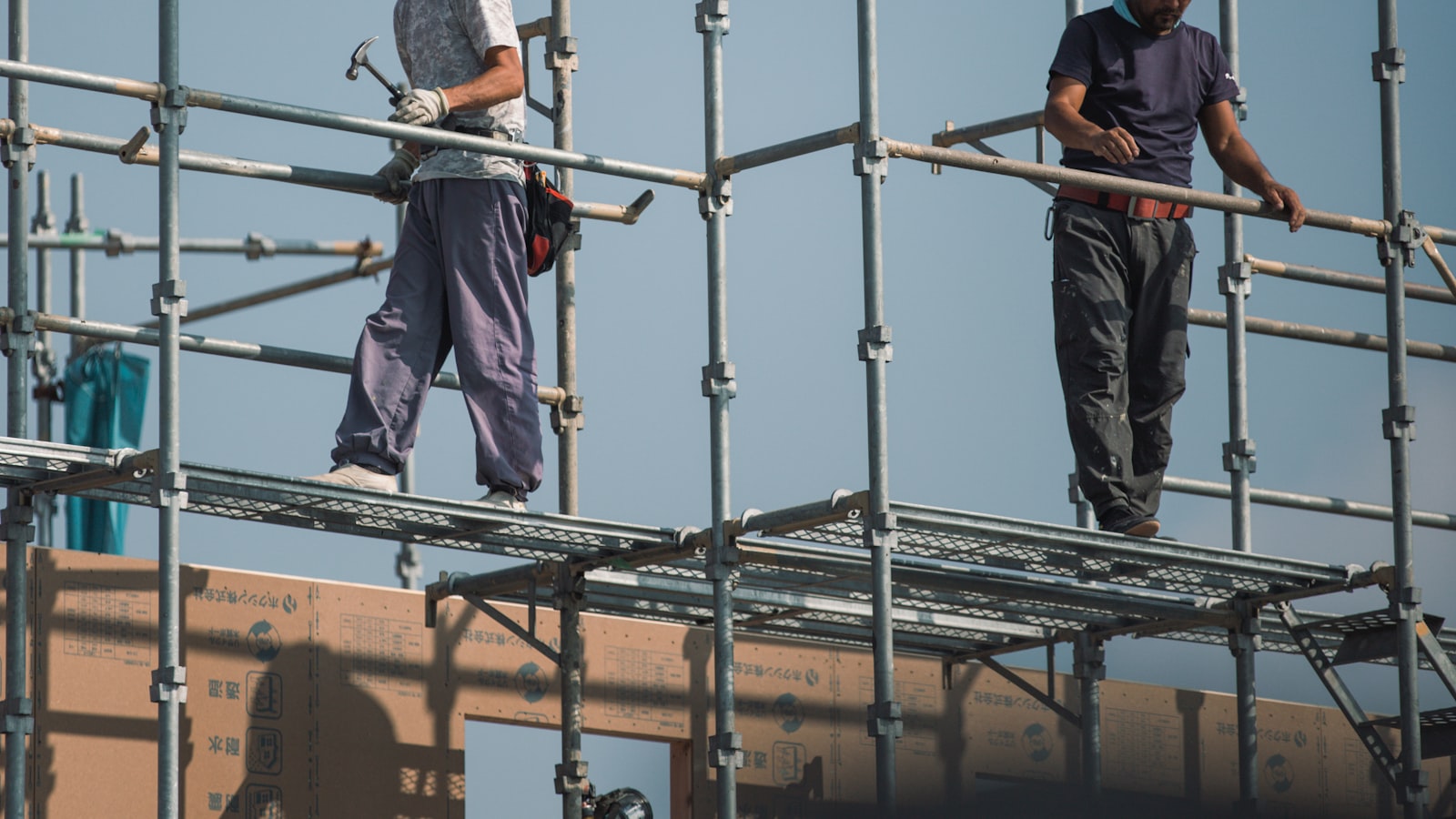
What Causes Construction Accidents
OSHA groups the deadliest construction hazards into what it calls the Focus Four: falls, struck-by incidents, electrocution, and caught-in or caught-between incidents. Together they have accounted for a large share of construction worker deaths for years.
Two things make each of those hazards worse: impairment on site, and workers placed in roles they are not trained or certified to perform. Both are things you can check before someone sets foot on your site, which is where screening earns its place in a safety program.
What OSHA Expects From Your Hiring Process
OSHA doesn’t specifically mandate background checks, but it does require employers to show they’ve done their due diligence to confirm that candidates and employees are qualified for their roles.
If an unqualified worker causes an accident, OSHA will look closely at your hiring process, and poor hiring decisions can turn an ordinary citation into a willful violation. Under the current OSHA penalty schedule, a serious violation carries a maximum of $16,550, while a willful or repeated violation can reach $165,514 per violation, taking a penalty from the thousands into the hundreds of thousands. Those maximums did not rise this year, because the Department of Labor canceled the 2026 inflation adjustment, so the figures you budgeted against last year still stand.
The practical test is whether you can produce the file. If an inspector asks how you knew a crane operator was certified, “he told us at interview” is a very different answer from a verified record.
The Drug Problem on Job Sites
The construction industry has a substance use challenge, and relatively few companies address it head-on. Federal survey data indicates that construction workers report higher rates of substance use disorder than the workforce overall, roughly 14% in construction versus about 10% of full-time workers nationally, based on SAMHSA’s National Survey on Drug Use and Health.
When workers are impaired, reaction times slow and judgment suffers, and on a site where split-second decisions matter, that puts everyone within reach of the mistake at risk. Substance abuse testing costs a fraction of what a single accident does, and far less than the pain a serious injury brings to a family.
What a Background Check Tells You, and What You Do With It
This is where a lot of construction hiring goes wrong, in both directions. Some employers ignore records entirely; others treat any record as an automatic no. Neither holds up.
A criminal record is information, not a prediction. Criminal background checks tell you what a court concluded, and you weigh that against the specific job in front of you. A DUI conviction is genuinely relevant to a role operating heavy machinery or driving a company vehicle, and largely irrelevant to a yard hand who never gets behind a wheel. That relevance test is the whole job.
Two practical guardrails keep this defensible:
- Convictions, not arrests. Most states where our clients hire restrict or prohibit the use of arrests that did not lead to conviction. An arrest is not a finding of anything.
- Individualized assessment, not a blanket rule. Weigh the nature of the offense, how long ago it happened, evidence of rehabilitation, and how it relates to the duties of that role. Document the reasoning.
Verified credentials belong in the same conversation, and they are often the sharper safety signal. A worker who lists five years of crane operation but holds no current certification is a direct hazard on your site, and that gap shows up in verification rather than in a criminal record. You can see how we assemble this for crews in our background checks for construction companies.
Verifying Employment History
Previous employers often know about safety issues that never reach a criminal record. A worker might have been let go for showing up intoxicated, for ignoring safety protocols, or for causing near misses, all without an arrest.
Employment verification catches the gaps that can hide these problems, and confirming claimed experience is essential. Verifying education matters too, so you know a candidate genuinely meets the requirements for specialized roles. A reference check adds another layer: when several former supervisors raise the same safety concern, that’s valuable information for your hiring decision.
“Employment history tells a story that criminal records can’t,” says Constance Brackett. “We’ve seen cases where someone had a clean criminal background but a trail of safety violations at previous jobs. Those conversations with former employers can genuinely save lives.”
Common Screening Mistakes
- Checking national databases only, when county records are often more current.
- Skipping driving record checks, when drivers with poor records cause more equipment accidents on heavy machinery.
- Not verifying employment history, when previous employers may know about safety issues.
- Treating every offense the same, instead of asking what each one has to do with the role being filled.
- Rushing out of desperation, which often puts the wrong people on site.
- Running no real drug and alcohol screening program, which would otherwise act as a deterrent and catch issues early.
- Overlooking regulatory requirements around written consent before screening, adverse action, and Fair Chance hiring.
“We see construction companies make the same mistakes again and again,” observes Constance Brackett. “They hire fast because they need people, and then they deal with preventable accidents and compliance headaches.”
The Bottom Line
Construction sites are inherently hazardous, and the numbers are moving in the right direction. Falling fatality rates are the result of deliberate work: better training, better equipment, and better decisions about who goes where.
Screening is one of those decisions. It gives you verified information on qualifications, work history, and record, so the person operating the lift is the person you think they are. The hiring decision stays firmly in your hands; our job is to make sure it’s an informed one.
We’ve supported construction companies for more than 30 years. Get a quote for construction background checks today, and put accurate screening to work before someone gets hurt on your site.