






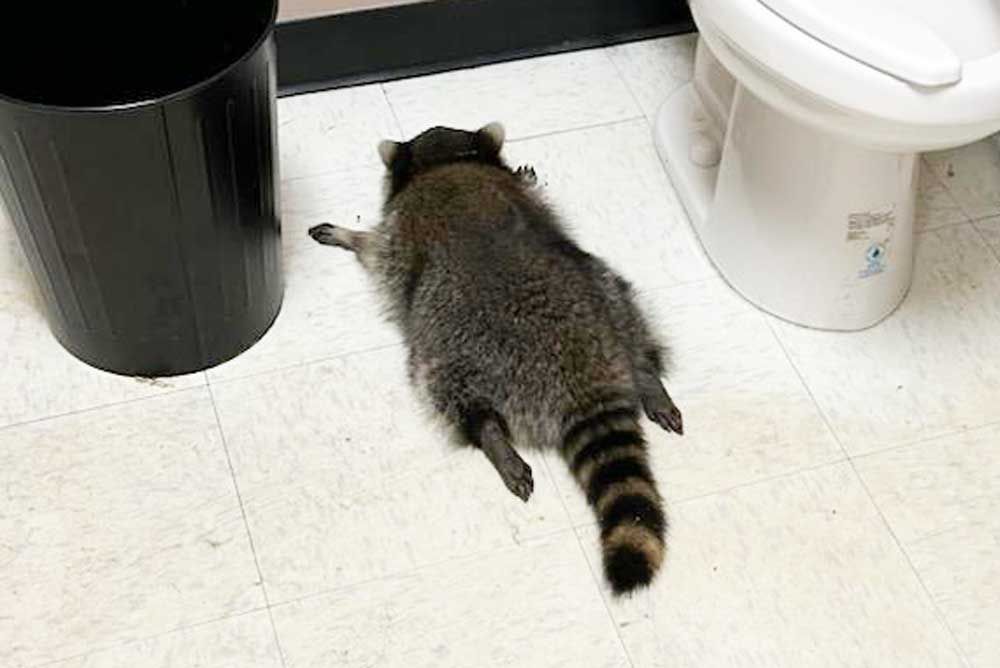
The Ashland, Virginia “drunk raccoon” was objectively hilarious.
It crashed through a ceiling, knocked over whiskey, passed out in a liquor store bathroom, sobered up, and was released. Virginia ABC even rolled out three tongue-in-cheek cocktails in its honor: Rye Rascal Sour, Trash Panda Old Fashioned, and Midnight Masked Gin Fizz.
Fun story. Useful reminder. Alcohol makes behavior unpredictable, whether it is wildlife or employees at a festive offsite.
Now the serious part.
Alcohol misuse costs the United States an estimated 92.65 billion dollars a year, with most of that tied to binge drinking and lost productivity.
At company Christmas parties and holiday events, that risk shows up fast. This year, let the raccoon be the punchline, not your company.
Why HR should care before the first toast
Holiday parties raise risk as norms loosen, peer pressure rises, and transportation plans can get blurry.
Younger workers feel that pressure most. Recent surveys report that 38 percent of 18 to 24 year-olds feel pushed to drink at work events, compared with 24 percent overall. Many also admit to next-day sick calls or showing up worse for wear.
As HR, your plan should be simple: set expectations, design an inclusive event, and define when alcohol testing applies.
Set the ground rules
Communicate that the code of conduct still applies at employer events. Offer appealing alcohol-free options and activities so no one feels singled out. Make sure bartenders cut off visibly intoxicated guests, serve real food, and, where relevant, arrange safe rides home. These are small moves that can meaningfully reduce incidents and complaints.
Where alcohol testing fits
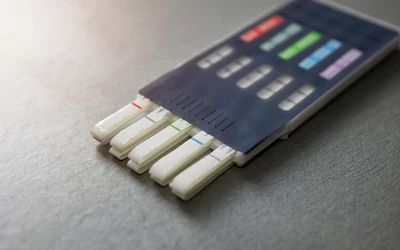
For safety-sensitive transportation roles, federal rules apply. DOT Part 40 sets the procedures for all drug and alcohol testing programs, and agency rules define who must test and when. If there is a qualifying crash for a commercial driver, post-accident alcohol testing should occur within two hours. If not done within eight hours, the employer stops attempts and documents why. Drug testing has a thirty-two-hour window. Document every step.
For non-DOT workplaces, testing is policy-based. Use it for reasonable suspicion and after incidents, and mirror DOT best practices where possible. Train supervisors to observe, document objective signs, and follow chain-of-custody procedures with a tamper-evident trail. That protects employees and makes findings defensible.
A quick party checklist you can use today
- Send a pre-event email that restates conduct standards and available ride options.
- Bar staffed by trained servers. Offer low-ABV drinks and strong alcohol-free choices.
- Food throughout the event, not only at the start.
- At least one sober HR or manager on duty to observe and escalate if needed.
- Confirm testing protocol, sites, and after-hours contact if an incident occurs.
- Document training, communications, and any incidents for the file.
What to tell your leaders
You are not trying to police fun! You are simply de-risking a company function with a few practical controls and a compliant testing plan. The upside is real. Fewer sick days. Fewer complaints. Lower claim exposure. A clearer message to employees who do not drink that they belong at the party too. The “Trashed Panda” can stay a meme, not a model.
How KRESS helps
KRESS builds alcohol testing into a modern DOT-compliant screening program. Let's make sure your team celebrate safely and get back to work the next morning.