







THCA, Delta-8, and Drug Testing
A plain-language guide for HR teams running background and drug testing programs
If a candidate has told you, “It was legal THCA,” or “I only used Delta-8, you can buy it at the gas station,” you are not alone. These conversations are happening in HR offices across Texas right now. And if you are not sure what to say back, that is a reasonable position to be in. The rules changed recently, and nobody sent HR a memo.
This article explains what is going on, what it means for your drug testing program, and what you can do about it. No technical background required.
This is general information for employers and HR professionals, not legal advice. For guidance specific to your company, talk to your legal counsel.
First: What are these products, in plain terms?
There are a few terms you will hear from candidates. Here is what they actually mean:
Delta-9 THC
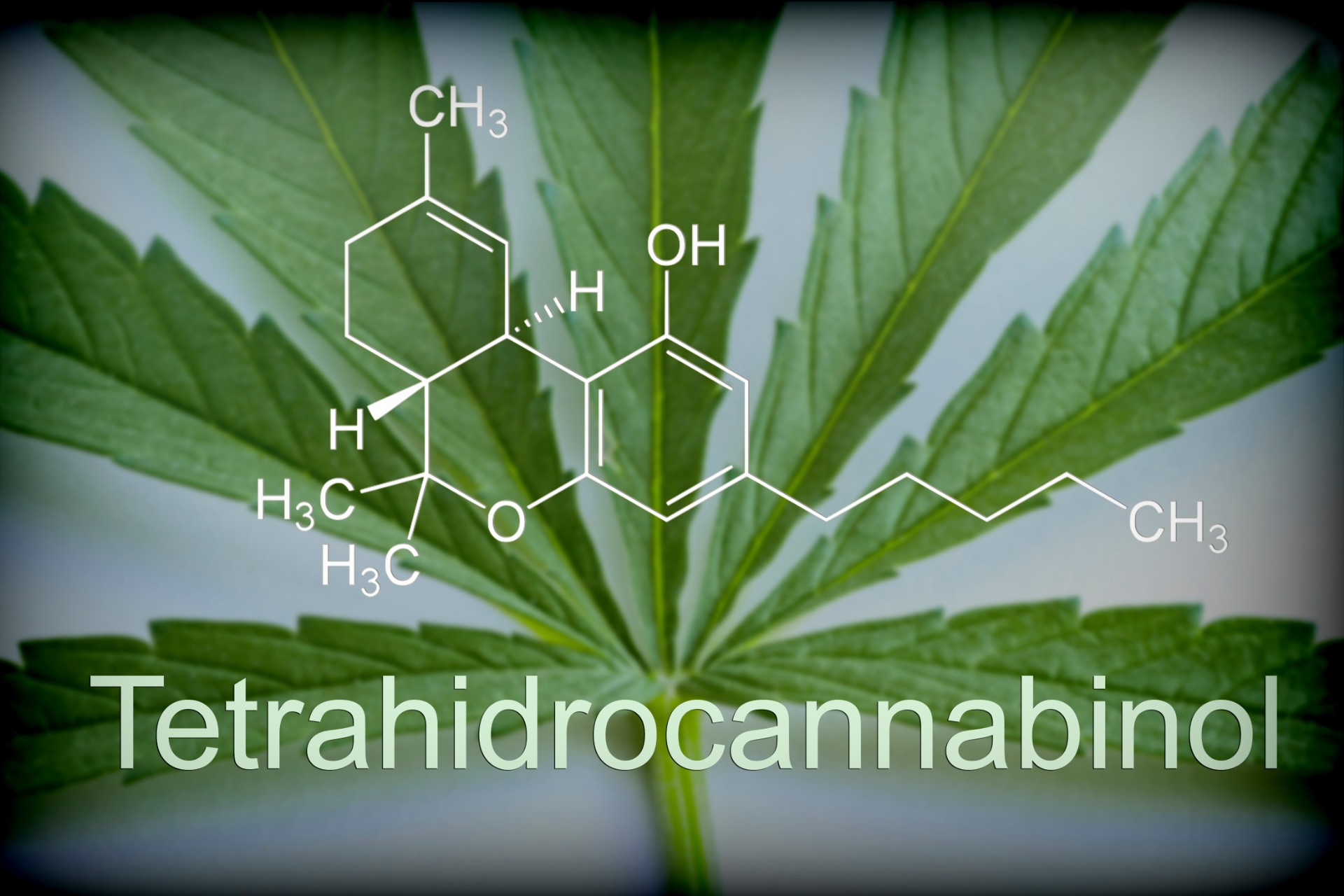
This is the compound in cannabis that gets people high. It is what your drug test is designed to detect. It is federally illegal and illegal in Texas.
THCA
THCA is found in raw, unheated cannabis plants. On its own, it is not psychoactive, meaning it does not produce a high. But the moment it is smoked, vaped, or cooked, it converts into Delta-9 THC. Once that happens, the body processes it identically to any other THC source. Your drug test cannot tell the difference.
Delta-8 THC
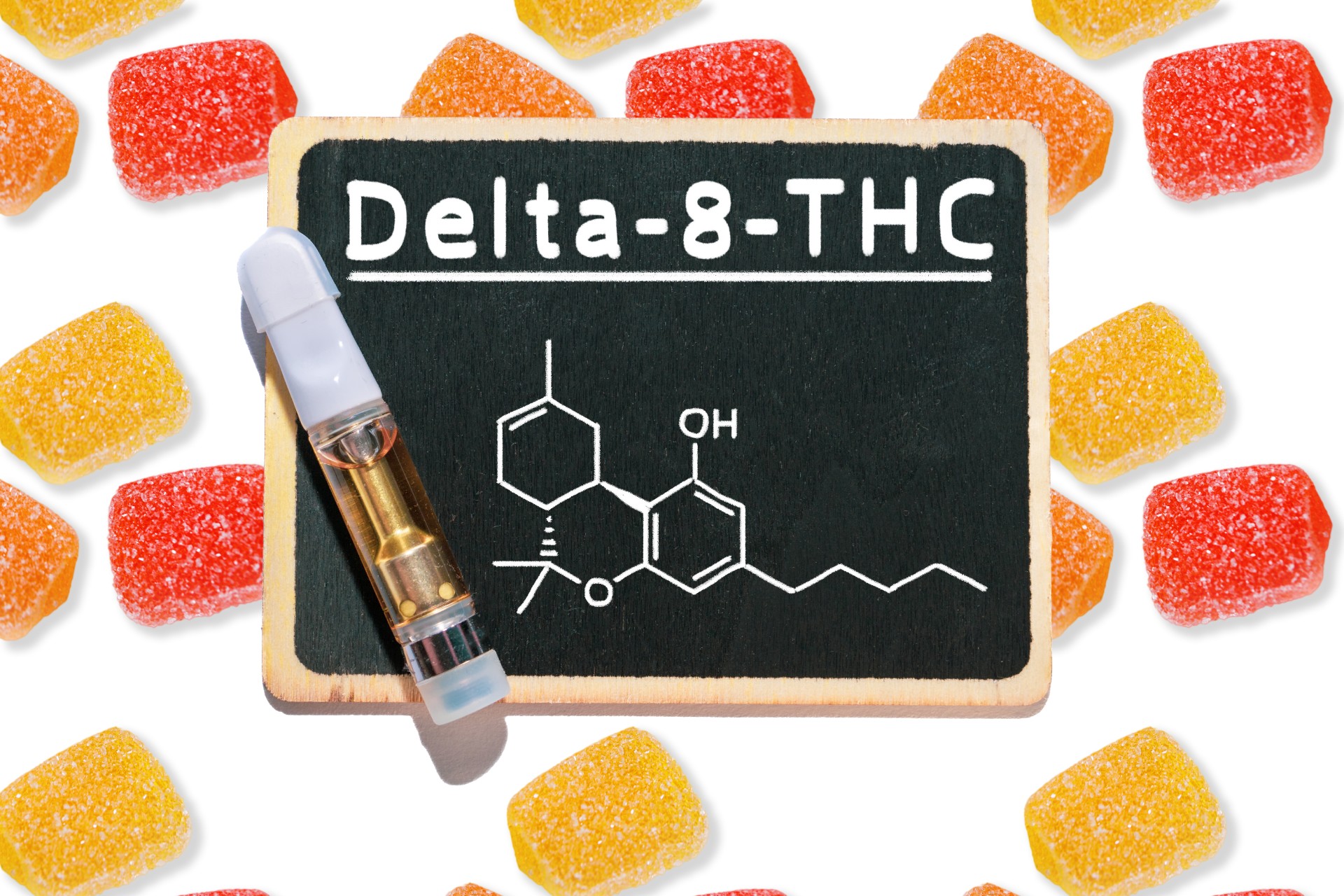
Delta-8 is a different form of THC, typically made from hemp. It does produce psychoactive effects. It has been sold legally in many states, including Texas, but its legal status has been shifting. Delta-8 vape products are now banned in Texas. Its broader legal status is still being contested in courts.
What this means for you
When a candidate says “it was legal,” they may be right about the product they bought, or they may not be. Either way, your drug test result does not change. The test detects THC metabolites regardless of which product produced them.
What the Texas Rule Change Does and Doesn't Change
Starting March 31, 2026, Texas changed how it calculates the legal THC limit for hemp products. Under the new rule, THCA now counts toward the total THC calculation.
What that means in practice: most THCA flower and smokable products sold in Texas retail stores now exceed the legal limit. Those products are effectively off the shelves.
The change is a legal classification decision made by Texas regulators. It is not a new type of drug test. It is not a new substance. Your lab is running the same tests it always has.
What this means for you
You will likely see more candidates referencing THCA products, particularly those they bought before March 31 or sourced outside Texas. The product's legal status does not change how your policy applies. A positive is a positive.
“The law changed. The science did not. What we spend a lot of time on right now is helping HR teams have confident, consistent conversations when candidates push back on results.— Chandra Kill, President & CEO, KRESS Employment Screening
If you are weighing the benefits of pre-employment drug testing for the first time, the fundamentals have not shifted.
What does your drug test actually detect?
Most workplace drug tests detect a metabolite called THC-COOH. A metabolite is what your body produces after processing a substance. THC-COOH looks exactly the same whether it came from THCA, Delta-8, or Delta-9 products.
Here is how the testing process works:
- Step 1, Initial screen: A urine sample is tested using an immunoassay. If the result is above the cutoff threshold (typically 50 ng/mL), it is flagged as a presumptive positive.
- Step 2, Confirmatory test: A second, more precise test (usually GC-MS or LC-MS/MS) confirms the result. The confirmatory cutoff is 15 ng/mL. This step reduces false positives significantly.
- What the test cannot do: Identify which specific product caused the result. There is no standard employment drug test that can distinguish between THCA, Delta-8, and Delta-9 as the source.
A line you can use when candidates push back
“Our screening detects THC metabolites. The test cannot identify which product produced the result. Our policy applies to the result, not the product story.”
How long does THC stay in someone’s system?
Detection time depends on the type of test, how often the person uses it, and individual factors like metabolism and body composition. These are general ranges, not guarantees.
Test Type | Detection Window | Notes |
Urine | 1 to 30 days | Most common for employment. Frequent users may detect longer. |
Saliva | Up to 72 hours | 24 hrs for occasional users; up to 72 hrs for frequent users. |
Hair | Up to 90 days | Longer window; used when historical use matters. |
Blood | Hours to days | Short window; mainly used to detect very recent use. |
What can you do?
The good news: you probably do not need to overhaul your program. You need to tighten a few things so you are not caught off guard in a candidate conversation or a dispute.
1. Check your policy language
Your policy should say your program tests for THC metabolites, not “marijuana” or “cannabis.” It should also state that the test cannot identify the source product. Two short sentences. That is it.
- Add: “This program tests for THC metabolites. Results do not identify the product source.”
- Add: List the testing categories that apply: pre-employment, post-accident, random, reasonable suspicion, or whichever categories your program includes.
2. Brief your hiring managers
Hiring managers are usually the first ones to hear a candidate’s product story. They need one clear instruction: the product story does not change the result, and they do not have the authority to promise a retest or an exception. That decision belongs to HR and your policy.
If a hiring manager promises a candidate they can “work around it,” that inconsistency is where disputes start. One clear message to your managers now prevents a much harder conversation later.
3. Prepare two short candidate messages
You do not need a legal brief. You need two clear, calm sentences for two moments:
- Before the test: “Our screening includes a test for THC metabolites. This test cannot determine the source product. If you have questions, contact us before your test date.”
- After a positive result: “Your screening results have been received. [Next step]. If you have questions, please reach out to [contact name and method].”
4. Follow your process every time
This is the most important one. Consistency is what protects you and the candidate from being treated differently from anyone else. If your policy says a positive result triggers a specific process, follow that process. Every time. No exceptions for compelling stories.
Who handles what?
KRESS documents the result and routes it correctly. HR holds the policy line. If a result needs to go to a Medical Review Officer (MRO) for evaluation, that happens through the proper channel, not through an HR conversation about whether a product was or was not legal.
Quick answers to the questions you’re probably hearing
Can we tell if the THC came from THCA vs. Delta-9? | No. Standard employment drug tests detect THC metabolites. They cannot identify which product produced those metabolites. |
A candidate wants a retest. Do we have to do that? | A retest does not change what the original result detected. Follow your policy. If your policy does not address retests, that is worth clarifying with your legal counsel. |
What if the candidate says the product was legal in Texas? | The legal status of the product does not change the test result or the way your policy applies. Apply the policy consistently. |
Does the March 31 Texas rule change affect how we test? | No. The lab process is identical. The rule change affects which products are legally sold in Texas retail, not how THC is detected in a drug test. |
What does an MRO do in this situation? | A Medical Review Officer evaluates medical explanations for a positive result. They do not evaluate product legality. Route MRO-eligible results to the MRO, and keep HR out of that evaluation. |
What to do if you want a second set of eyes
If your policy language has not been reviewed recently, or if your team is fielding more of these candidate conversations than you are comfortable with, that is worth a conversation.
Talk to a KRESS screening specialist. We will review your current drug testing policy, flag what needs updating, and explain exactly which steps we handle from there. We are a real team based in Houston, and we answer the phone when you call.
Frequently Asked Questions About Drug Testing in Texas
Does Texas have specific drug testing laws for private employers?
Texas does not have a single state statute that governs all workplace drug testing for private employers. Unlike some states, Texas drug testing laws give private employers broad discretion to establish their own drug testing policies, including pre-employment drug testing, random drug testing, post-accident testing, and reasonable suspicion testing.
Federal laws such as the Drug-Free Workplace Act apply to federal contractors, and DOT-regulated industries follow additional federal requirements. Our State-by-State Compliance Guide covers how these rules vary across jurisdictions.
What is a drug-free workplace policy, and do Texas employers need one?
A drug-free workplace policy is a written document that explains your organization's rules around drug use, drug testing, and the consequences of a positive drug test result. While not all Texas employers are legally required to have one, the Texas Workforce Commission recommends that every employer maintain a written policy.
A clear policy protects both the employer and the employee by setting expectations before testing begins. Federal contractors and safety-sensitive industries are generally required to maintain these policies under federal laws.
Are there employment protections for medical marijuana patients in Texas?
Texas does not currently provide employment protections for employees who use medical marijuana under the Texas Compassionate Use Act. The law allows patients with qualifying medical conditions such as epilepsy, multiple sclerosis, post traumatic stress disorder, cancer, and chronic pain to access low THC cannabis products.
However, the Texas statute does not prevent employers from enforcing their drug testing policies or taking adverse action based on a positive drug test result. This is different from some other state laws that do protect off-duty cannabis use for medical reasons. Employers should still give careful consideration to accommodation requests, especially where other state or federal laws may apply.
How do federal laws affect drug testing for Texas employers?
Federal laws play a significant role for many Texas employers. The Controlled Substances Act classifies marijuana, including all forms of THC, as a Schedule I controlled substance at the federal level. This means the federal government does not recognize any state-level medical marijuana law.
Employers in safety-sensitive positions regulated by DOT, those with federal contracts, or government employers must follow federally mandated drug testing requirements. Private employers who are not federally regulated still have the option to enforce zero-tolerance policies under Texas law.
Can Texas employers test job applicants before making a hiring decision?
Yes. Pre-employment drug testing is legal and common in Texas. Many employers include it as a standard part of their background check process. Texas law does not restrict when or how employers choose to test job applicants, though employers should apply their testing policies consistently to avoid discrimination claims. If a candidate receives a positive drug test result during the pre-employment process, the employer should follow the steps outlined in their drug testing policies, including any required review by a Medical Review Officer.
What should employers know about cannabis use and accommodation requests?
As cannabis legalization continues to evolve across the country, Texas employers are seeing more accommodation requests from employees and candidates who use medical cannabis or low THC cannabis products for qualifying medical conditions.
Texas legislature does not require employers to accommodate medical marijuana use in the workplace, but employers should be aware that the ADA and other federal laws may require reasonable accommodations for the underlying medical conditions. Each accommodation request should be evaluated on a case-by-case basis with careful consideration of the role, especially for safety-sensitive positions and employees.
What happens if an employee tests positive for THC on a random drug testing panel?
If an employee tests positive for THC during random drug testing, the employer should follow the process outlined in their policy. This typically involves confirmation testing, review by a Medical Review Officer if applicable, and then any disciplinary steps the policy requires. The employee's claim that they used a legal product such as Delta-8 or a low THC cannabis product does not change the result. Employers should require documentation, follow the same steps for every positive drug test, and avoid making exceptions that could create inconsistency. Understanding the adverse action process is important if the result leads to a hiring or employment decision.
What is the role of the Texas Workforce Commission in drug testing?
The Texas Workforce Commission does not regulate private employer drug testing directly, but it does play a role when drug testing intersects with unemployment claims. If an employer terminates an employee based on a positive drug test and the employee files for unemployment, the Texas Workforce Commission may require the employer to provide documentation including the written drug testing policy, the employee's signed acknowledgement, consent forms, and the specific test results. Having a well-documented drug-free workplace policy and consistent testing policies helps employers in these situations.
How should employers handle drug testing for safety-sensitive positions?
Safety-sensitive positions, where impairment could directly endanger the employee or others, often carry stricter drug testing requirements. Many employers in industries like oil and gas, transportation, and construction apply zero-tolerance policies for these roles.
Federal laws require drug testing for certain safety-sensitive employees, such as commercial drivers and pipeline workers. For other employers, the decision to apply heightened standards is voluntary but strongly recommended. Your drug testing program should clearly define which roles qualify as safety sensitive and what testing categories apply to each one.
Does Texas test for THC specifically, or all controlled substances?
Standard workplace drug tests in Texas screen for multiple controlled substances, not just THC. A typical panel tests for marijuana metabolites, cocaine, amphetamines, opiates, and PCP. Some companies' drug testing policies also include alcohol testing policies or expanded panels that cover additional substances.
Employers can customize which substances they test for based on their industry, insurance requirements, or contract or insurance requirements from clients. If you are building or updating your substance abuse testing program, KRESS can walk you through the options.
Can cannabis-related criminal charges affect a background check in Texas?
Yes. Cannabis laws in Texas still classify marijuana possession as a criminal offense, and criminal charges or felony charges related to marijuana can appear on an employment criminal background check. Depending on the amount involved, penalties can range from a misdemeanor to a felony with jail time.
Even in states where cannabis legalization has passed, past criminal charges may still show up on a background check. Employers should review both their drug testing policies and their criminal records policy to ensure they handle these situations consistently and in compliance with applicable statutes and court decisions.