









Driving with a suspended license is a common criminal conviction. Should you hire or pass on an applicant with this record?
The answer is not a definitive yes or no. It truly depends on the position he or she applied for.
License suspension can be a Catch-22 for those seeking employment. The results of a suspended license makes it more difficult for people to find employment and decreases their earning power, which often increases the length of time of the suspension.
One out of five traffic fatalities nationally involves a driver who is operating a motor vehicle while suspended or who has no valid driver's license at all. Data also supports the assertion that drivers who have a suspended license are much more likely to be involved in a collision; but what does this data mean to your hiring decision? The circumstances of any conviction of any kind are always an important factor to consider when making a hiring decision.
A person can have their license suspended for a number of reasons, many of which are not related to criminal traffic violations. 39% of drivers cited for driving with a suspended license have suspensions for non-driving related offenses, and pose no driving threat to other motorists, according to law enforcement officials.
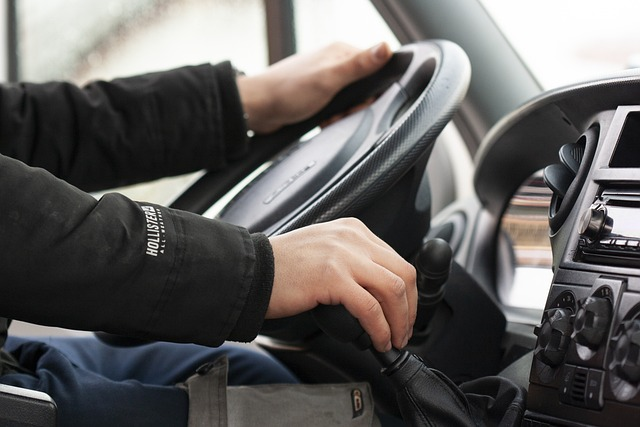
How Background Checks Address Suspended Licenses
Most employers conduct employment background checks as standard procedure when screening new hires, particularly for positions involving driving responsibilities. Understanding how potential employers view suspended licenses helps both hiring managers and job candidates navigate this common concern.
Many employers request a driving record check, also called a Motor Vehicle Report (MVR), from the state's Department of Motor Vehicles. Here are a few points to note:
This report reveals license status, including whether a license is currently suspended, along with traffic violations, accidents, and a complete driving history.
Many checks are completed within minutes to 1 business day (though some states take longer) making them a quick verification step.
For roles like delivery driver positions or field service technicians, reviewing driving records is standard procedure.
Employers typically request MVRs through background check providers like KRESS or directly from the DMV.
Most states maintain driving records with a lookback period of 3 to 10 years, though reporting periods vary by state. Serious violations may remain visible longer.
A criminal background check runs separately from a driving record check. Here's what you need to know:
Criminal background checks focus on criminal convictions, criminal offenses, and criminal history from court records. However, some suspended licenses do appear on criminal background checks, specifically when the suspension stems from criminal violations like DUI convictions, reckless driving, or other criminal traffic offenses.
Administrative suspensions for non-criminal issues like unpaid fines, outstanding fines, or parking tickets typically only appear on your driving record, not on a criminal background check. However, these still raise red flags for employers hiring for driving-intensive roles.
The distinction matters because many employers only check driving records for positions where operating a vehicle is essential to the job. Office-based roles, remote positions, and jobs without transportation requirements may never trigger a driving record check, meaning your suspended license status won't affect your employment opportunities in those fields.
Speeding tickets, minor traffic infractions, and misdemeanor traffic violations generally concern employers less than major violations or patterns of driving infractions that suggest risk.

Reasons for having driving privileges suspended include:
DWI convictions
Conviction for drug offense (need not be driving related)
Multiple moving violations (4 tickets in one year or 7 tickets in two years)
Other traffic infractions
Refusing a breath alcohol test
Unpaid traffic tickets
Negligent/reckless driving
Failure to pay child support
How do you correctly consider hiring a person with a suspended license conviction?
Do not promise the job to the applicant after you get your driver's license. It is never a good idea to make a contingency-based promise to hire. Unknown factors in this equation include the length of time required to clear up the licensure issue, the quality of other present or future applicants for this position, and your company's business climate/work flow at an unknown future date.
Coach the applicant on what is required to complete the I-9. Most employees have documentation from List B and List C. List B documentation can include many things, but the most common form is a driver license or ID issued by the state. If the applicant cannot get a driver's license due to suspension counsel the applicant on the importance of having a valid state issued ID card. In all 50 states, even when driving privileges have been suspended, a person can still obtain a government-issued photo identification card.
As always, take a very close look at the daily activities and job duties the employee will perform for your company.

What roles does this apply to?
If you are the job title you are hiring for is driver, then it is a given that you will screen out applicants who have a suspended license.
If the employee will be driving a company-owned vehicle, or their own vehicle in the course of duty on a regular basis, you may want to select another applicant for these types of positions.
In addition to drivers or chauffeurs, other positions to consider for exclusion would be management or sales positions within a regional territory, and/or positions that require your employee to transport other employees or customers frequently.
Other factors to consider when hiring an individual with this type of background are your company's insurance rates and the level of liability your company will incur by hiring this individual. If the employee is not ever driving in the course of duty, then by default there is no liability. The recidivism rates for driving with a suspended license are very high.
This partial list of suggested employment roles for persons convicted of Driving while License Suspended (DWLS) is by no means comprehensive. If you are looking for a particular skill set or profession that is not mentioned, the lack of its listing here is not an indication that it was deliberately excluded:
Example Roles without Driving Requirements
Category | Role | Why this role can be suitable (US context) |
|---|---|---|
Professional | Accounting / Finance | Office-based roles where accuracy, compliance, and financial controls matter more than driving history. |
Retail Management | Store-based leadership roles where daily duties are performed on site and driving is not an essential job function. | |
Production / Manufacturing Management | Facility-based work focused on operations, safety, and team oversight rather than transportation. | |
Inside Sales | Phone- and computer-based sales roles with no travel requirement. | |
Legal (Attorney, Paralegal, etc.) | Professional roles where licensing, education, and ethical standards outweigh minor traffic convictions. | |
Healthcare | Many healthcare roles are facility-based and do not involve driving as a core responsibility. | |
IT | Skill-driven, office or remote roles where technical ability is the primary hiring factor. | |
Clerical | Receptionist | Fixed-location role centered on organization, communication, and front-desk support. |
Bookkeeper | Financial recordkeeping role where attention to detail and reliability are key, not driving status. | |
Dispatcher | Office-based coordination role that manages drivers without requiring the employee to drive. | |
Librarian | Stationary public-service role focused on organization and information management. | |
Copywriter / Editor | Desk-based role where writing and editing skills are the core qualification. | |
Call Center | Structured, phone-based work performed from a fixed location. | |
Bank Teller | Branch-based role emphasizing accuracy, customer service, and trust. | |
Help Desk | Technical support role typically performed on site or remotely. | |
Skilled Trades | Welder | Trade role where technical skill and safety training are prioritized over driving credentials. |
Assembly / Production | Manufacturing roles performed in a plant or factory setting. | |
Sous Chef / Grill Cook | Kitchen-based work where performance and reliability are the focus. | |
Machinist | Precision trade carried out in a controlled workshop environment. | |
AutoCAD Drafter | Computer-based technical role often performed in an office or remote setting. | |
Roughneck / Offshore | Transportation is commonly arranged by the employer, making personal driving less relevant. | |
Painter / Sandblaster | Site-based trade work where practical skills are the primary requirement. | |
Entry Level | Hospitality | On-site roles with high demand and fewer background-related barriers. |
Cashier | Fixed-location customer service role. | |
Retail Associate | Store-based role with minimal transportation requirements. | |
Restaurant | Front- or back-of-house roles not tied to driving duties. | |
Customer Service | Skill- and communication-driven roles often based in offices or call centers. | |
Housekeeping / Janitorial / Maintenance | On-site operational roles with consistent staffing needs. |
Example Roles Typically Including Driving Requirements
This partial list of suggested excluded employment roles for persons convicted of DWLS is by no means comprehensive. If you are looking for a particular skill set or profession that is not mentioned, is not an indication that it was deliberately excluded:
Role | Why this role is typically excluded |
|---|---|
Driver | Driving is the primary job function, a valid driver’s license is essential and non-negotiable. |
Chauffeur | Transporting people requires a valid license, clean MVR, and often enhanced insurance approval. |
Wrecker Driver | Operation of tow trucks requires commercial driving credentials and insurable driving status. |
Heavy Equipment Operator | Many roles involve operating vehicles or machinery regulated under DOT or employer safety policies. |
Outside / Regional Sales | Regular travel between client sites makes driving an essential job duty. |
Food Delivery | Core responsibilities involve driving and maintaining an insurable record. |
Regional Manager | Multi-site oversight usually requires frequent travel and independent transportation. |
Field Service Technician | On-site service calls require driving company or personal vehicles. |
EMS | Emergency response roles require driving emergency vehicles and maintaining specific licensing standards. |
Police Officer | Law enforcement positions require valid licensure, clean driving records, and high public-safety standards. |
Firefighter | Emergency vehicle operation and public safety requirements make a valid license essential. |
Plumber | Field-based trade work requires traveling between job sites with tools and equipment. |
Census Taker | Door-to-door work typically requires reliable transportation across assigned geographic areas. |
Crew Leader (Construction / Moving / Landscaping) | Supervisory field roles often require transporting crews, equipment, or vehicles between sites. |
An estimated 75% of drivers who have their license suspended continue to operate motor vehicles without valid licenses. This phenomenon is not indicative of a criminal that cannot be reformed, but rather illustrates the essential nature that driving a car has become in modern society.
Final Thoughts
KRESS Employment Screening provides comprehensive MVR checks and criminal background screening to help employers hire with confidence. Contact KRESS today to build a background screening program that protects your organization.